Technology (3)

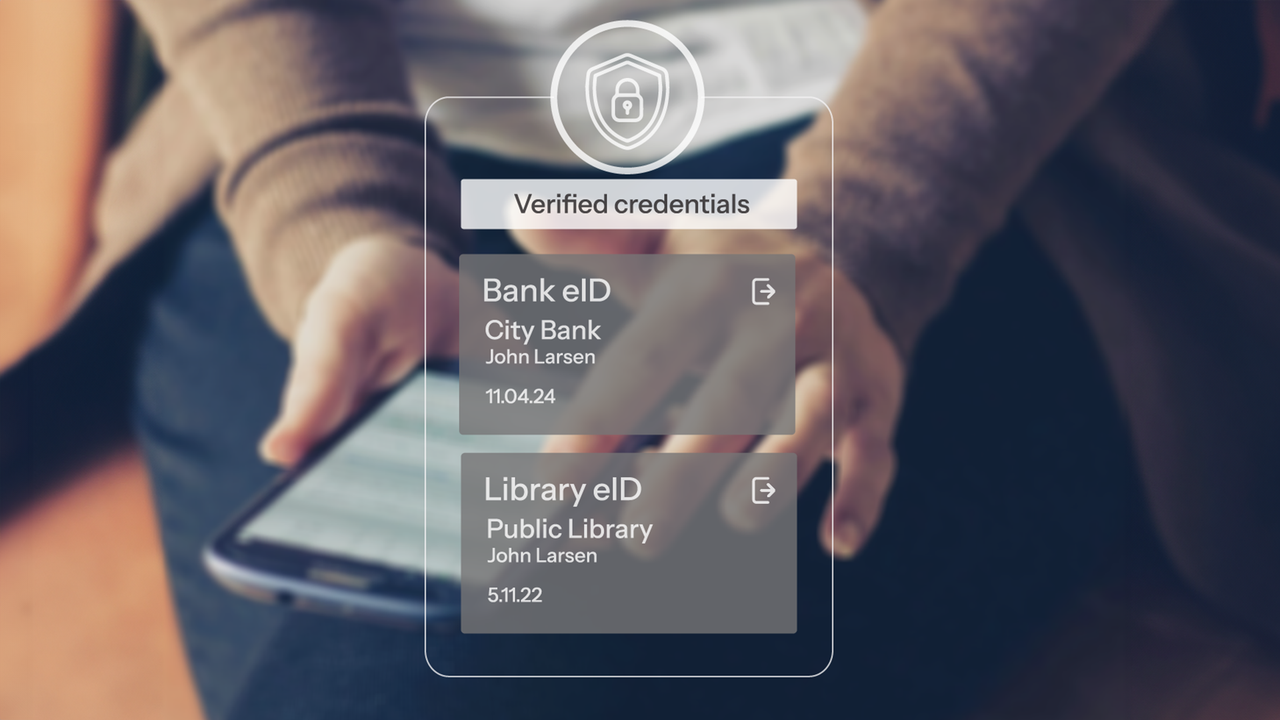
Secure digital identity and a new standard for airport travel

Air travel depends on trust. We expect our personal information to be handled with care while we move through airports and across borders. If you have been traveling and shared your information with Air France you might have been one of many passengers who recently have received an email from the ...

Denmark to host the world's most powerful Quantum Computer

“This moves us from secure communication to secure computation, opening a new chapter in quantum. Anders Peter Kragh Dalskov Senior Cryptographic Engineer, Partisia

Fuzzy logic in fraud detection

Fuzzy logic in fraud detection for financial services

Financial fraud has never been a static problem. As systems evolve and data volumes grow, fraudsters adapt. They exploit ambiguity, timing gaps, and patterns that traditional binary detection systems often miss. The problem is not that institutions lack data, but that their systems still tend to ...

Traceability in the supply chain: Building trust and transparency from source to shelf

Production is happening all over the world. Consumers are more aware of what they’re buying. Two reasons why supply chain traceability has become the new standard. Doesn’t matter if it's a luxury good, a pharmaceutical shipment, or a grocery item, people want to know where products come from, how ...

Interoperability explained: The key to smarter, connected systems

Ever wondered what makes systems work together seamlessly? Interoperability is the answer. Data is everywhere, but it rarely speaks the same language across platforms. That’s why interoperability is the quiet hero behind the scenes, turning chaos into clarity.

Two professionals analyzing financial data on a tablet and laptop, discussing fintech solutions for trading and investment.

Fintech's future is private: how privacy-enhancing technologies are reshaping finance

The financial technology (fintech) sector is driving disruption, constantly pushing the boundaries of banking, insurance, and payments. But increasing digitization also means data is being shared more than ever, raising new concerns around cyber threats, compliance, and consumer trust.

Two financial professionals reviewing data at a computer, representing security in finance through careful monitoring and risk management.

Security in finance: Protecting data in a digital age

Financial institutions are responsible for protecting some of the most sensitive data imaginable: bank account numbers, transaction histories, investment portfolios, and personal identification details.

Whitepaper: Secure Multi-party Computation goes live

Read the official whitepaper that reports on the first large-scale and practical application of Secure Multi-Party Computation, which took place in January 2008.

Delivery worker using a tablet to manage packages, supporting product traceability in the supply chain.

Why product traceability is the backbone of secure and transparent supply chains

Being able to prove a product’s origin story and verify how it was stored and transported turns messy supply chains into transparent, trusted ecosystems. But most systems are still stuck in the digital Stone Age.

Worker using tablet and scanner in warehouse, demonstrating asset tracking software in use.

Asset tracking software: How supply chains stay efficient, compliant, and connected

Asset tracking software has become mission-critical for modern supply chains. From real-time visibility to regulatory compliance, it empowers companies to manage goods, tools, and materials with speed and precision across borders, systems, and partners.